
Blog, maca (Lepidium meyenii)
Maca: The slow-growing, foul-tasting, aphrodisiac, Inca radish?
Mar
|
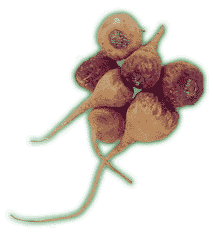
| Maca roots from Wikimedia Commons |
Maca (Lepidium meyenii) is hot right now among people who consume so-called “super foods.” Apparently, most are consuming it as a powder added to their witch’s brews of obscure roots, berries, and twigs from distant lands. It is a member of the mustard family, sometimes called “Peruvian Ginseng”.
For me, maca is not so hot. This is my second year growing it and I am hopeful for better results. Last year, very few of my seeds sprouted and those that did produced a salad radish sized root that was spicy, pungent, and bitter with a strange chemical aftertaste. Apparently, maca tastes sweet when grown in the Andes, so my results were pretty far off the mark.
Last year, I waited until June to sow my maca seeds. Maca is grown at high elevations where the sunlight is intense, so I reasoned that I should give it the most sunlight that I could. I suspect that I didn’t give it long enough to grow. When I pulled them in October, the plants were still less than six inches tall.
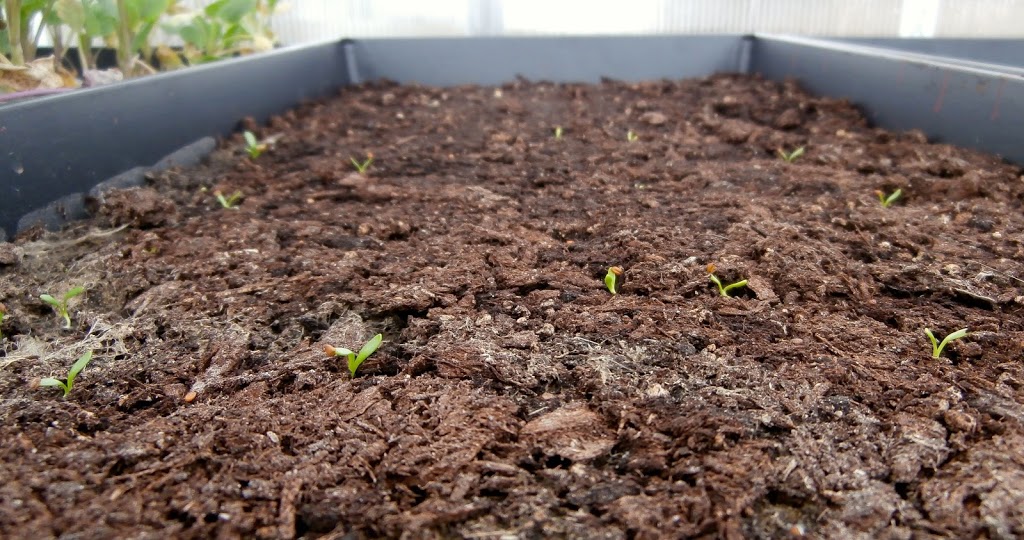 |
| Maca seedlings in the greenhouse |
So, this year, I started maca in March. By starting in March, if I harvest in November, I will have given it about the same amount of time that it requires to mature in the Andes. I will grow it in the greenhouse until June, unless it puts on a surprising amount of growth, and then transplant outside. I plan to harvest half before the first frost and leave the rest in the ground. That way I can determine whether maca can survive our winters and whether it tastes any better if grown for a second year. It may also give me the opportunity to get some seed, which will be important if I am to continue growing it, since I used up my supply this year.
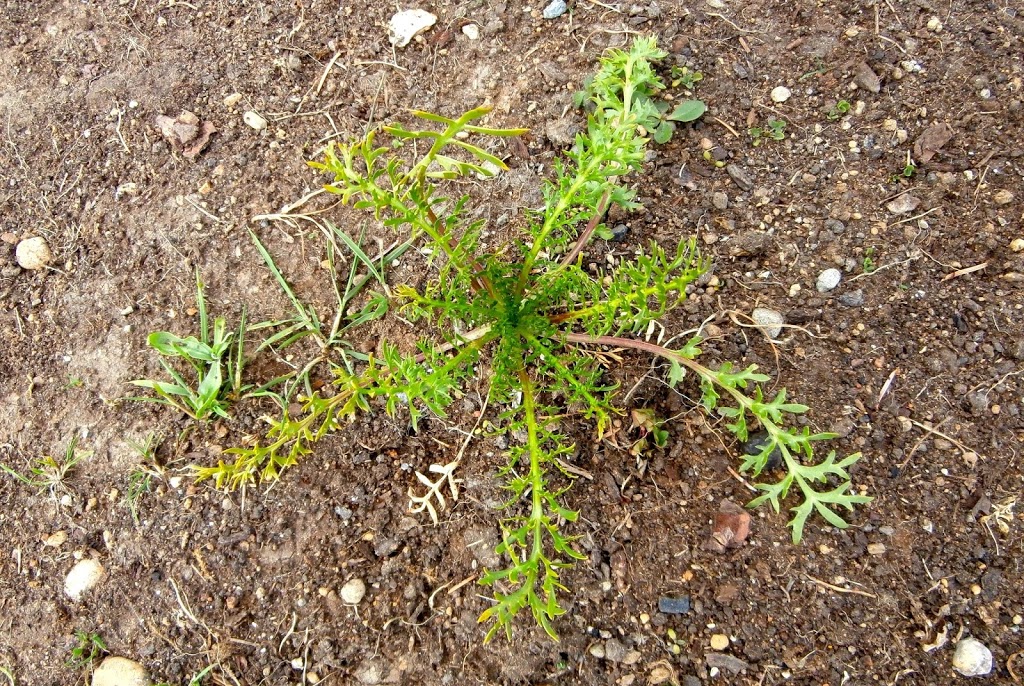 |
| Maca plant |
I got much better germination this year. The only difference was that I buried the seeds 1/8 – 1/4 inch last year and this year I merely pressed them into the surface with a finger tip. It seems that they may need light to germinate.
Another interesting thing that I’ve noticed is that the maca seedlings seem to prefer soggy soil. I have them growing in two flats. One is all maca and I allow it to dry out a bit between waterings, which is my standard practice for watering most seedlings. The other flat is mostly planted with mache, which I have found likes to be quite wet, so I have kept that soil damp. The maca seedlings in that tray are bigger and stockier than those in the all-maca flat. This is exactly the opposite of what I expected.
Hopefully I will produce something edible this year. If not, I won’t be trying maca for a third year and will open this slot up for something new.
You can read more of the maca saga here.
Maca seeds are sometimes available in our seed shop.

One thought on “Maca: The slow-growing, foul-tasting, aphrodisiac, Inca radish?”