
Skirret, Cultivariable Standard, 100 seeds
$8.50
Only 36 left in stock
| Skirret information and growing instructions |
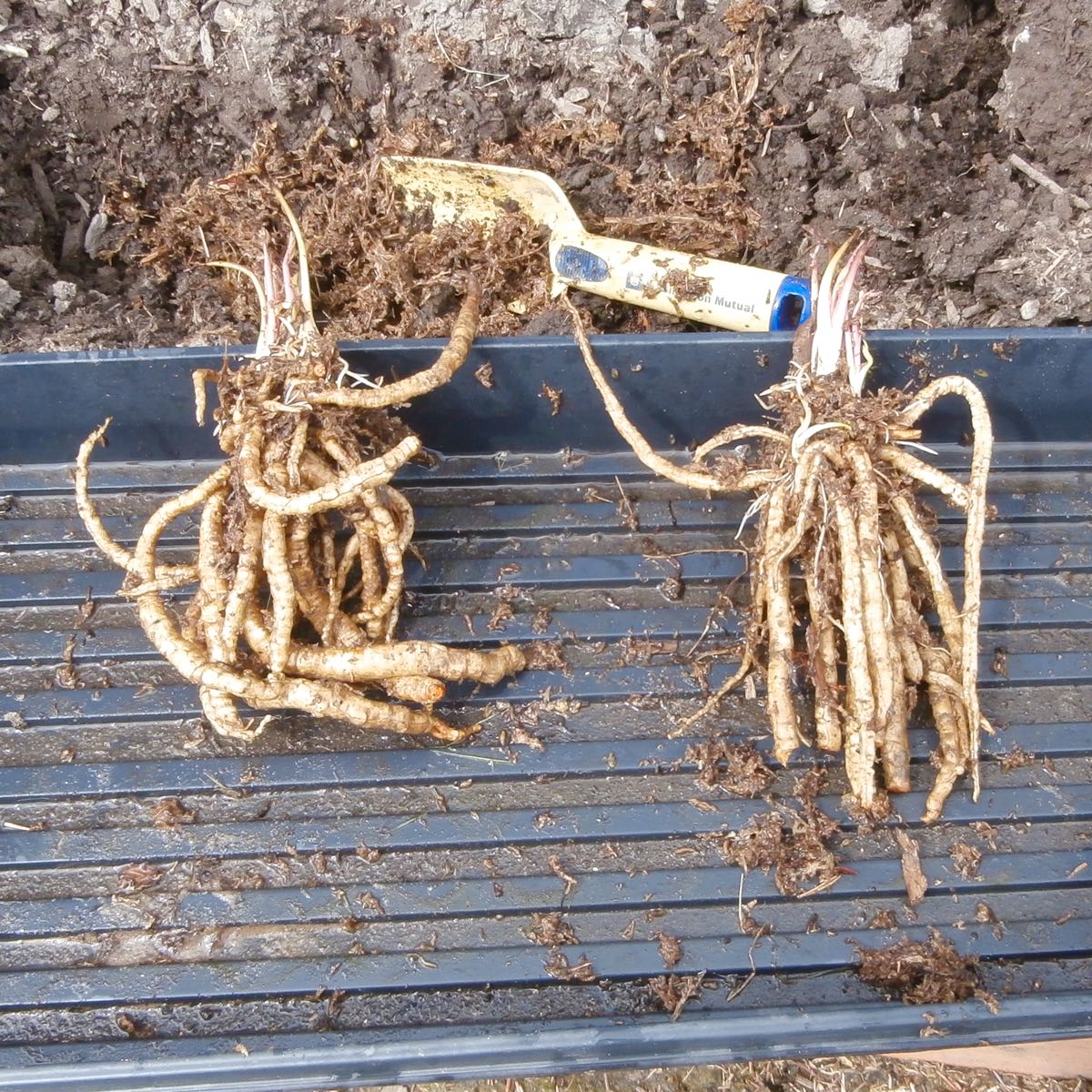
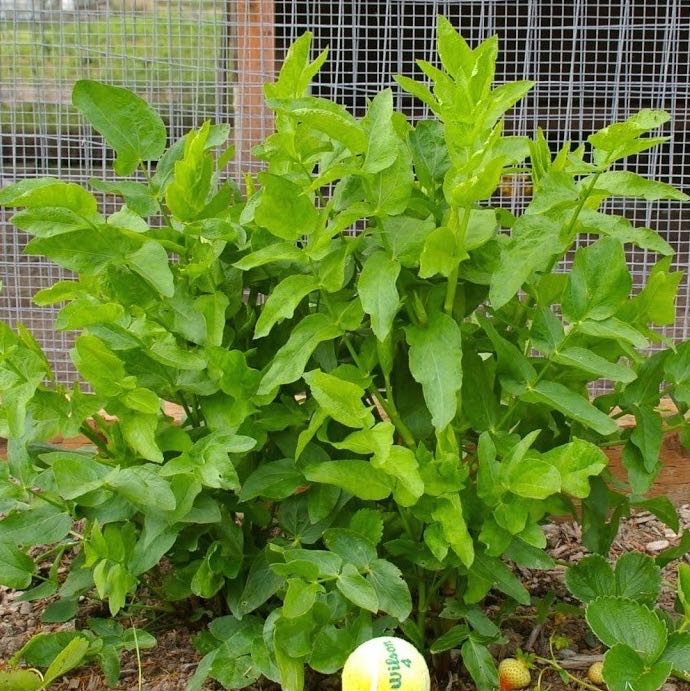
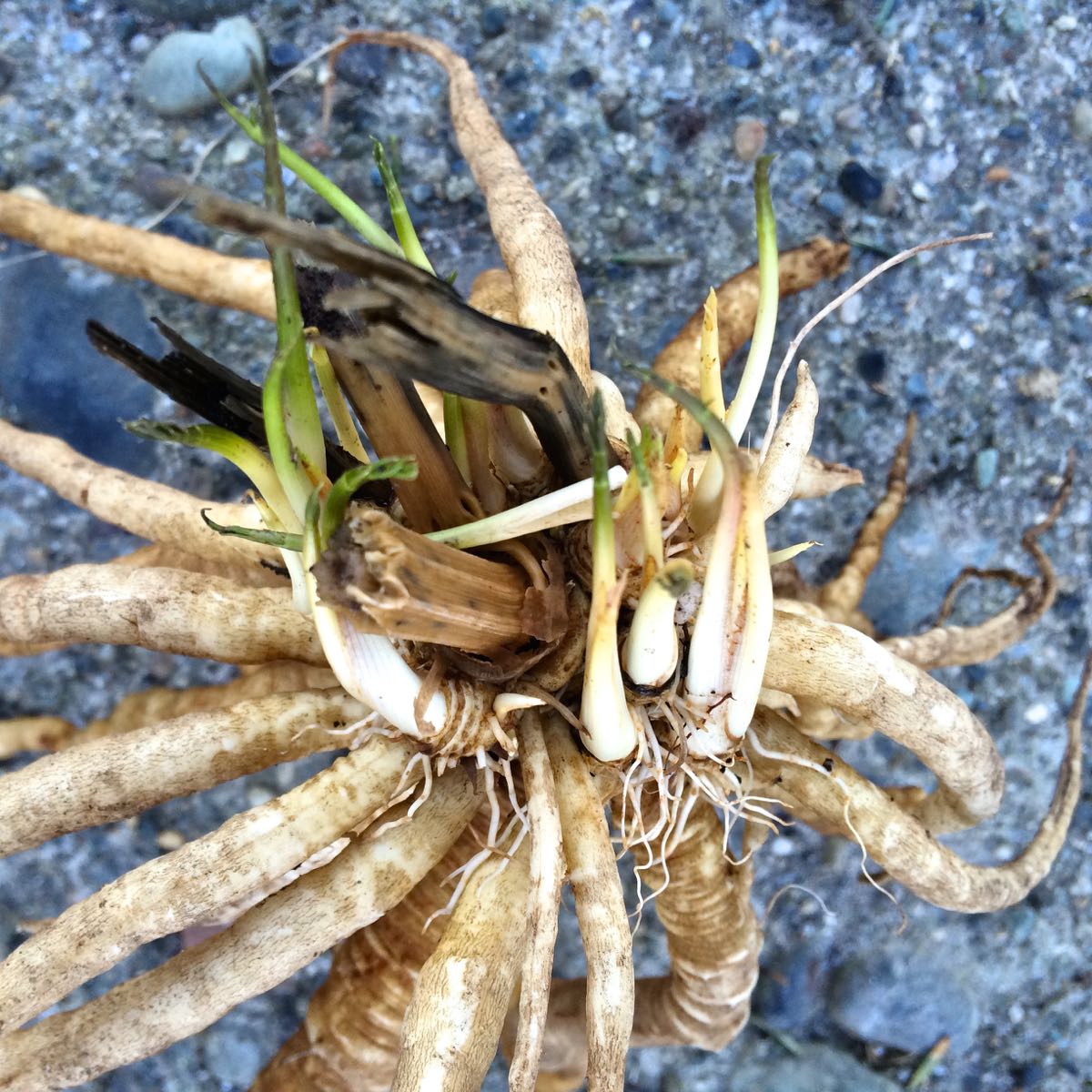
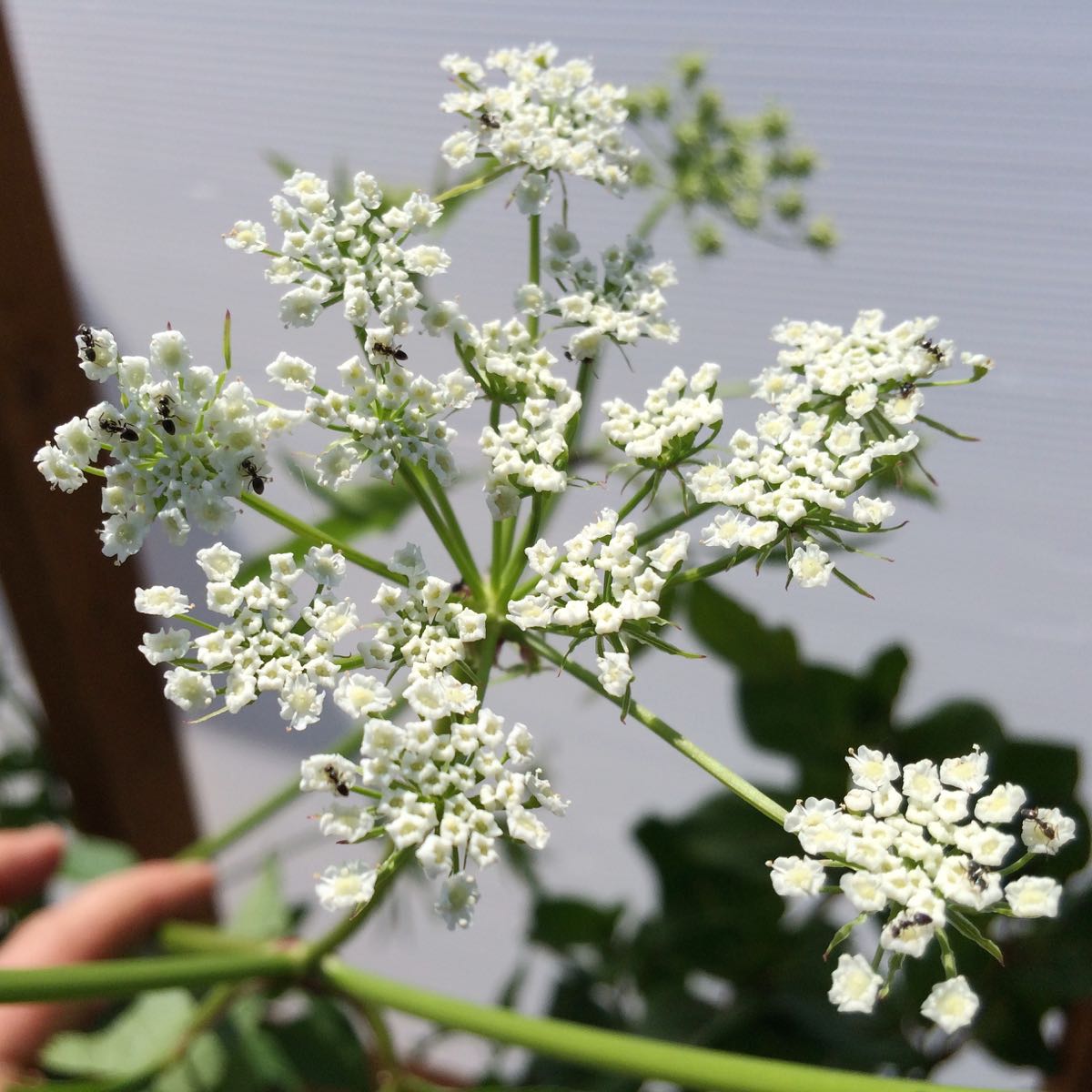
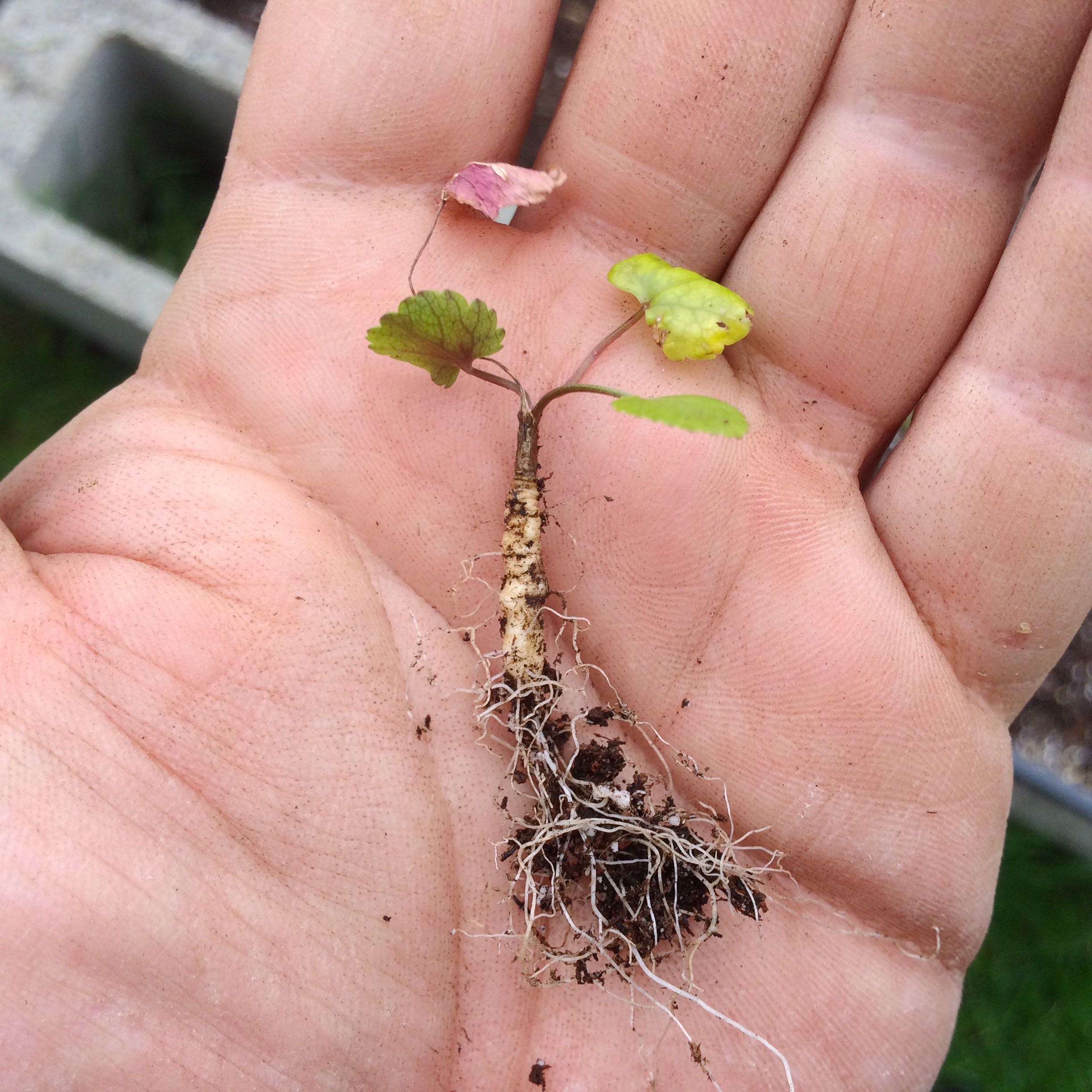
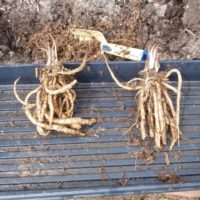
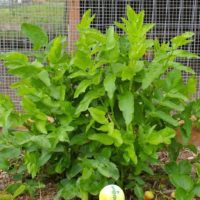
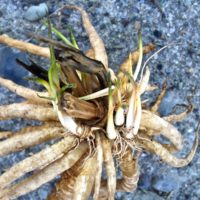
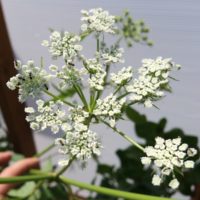
Skirret (Sium sisarum) is a historically interesting and tasty root crop. Not particularly high yielding, but forgiving and perennial. After two years, or perhaps one in really favorable conditions, you get a small clump of thin, white, carrot-like roots. Flavors are subjective, but I find that it has a flavor somewhere between carrot and parsnip, on the sweeter side. It likes wet, shady conditions, so it may give you a food crop in areas that otherwise don’t get much use.
For the past fifteen years, I have been selecting skirret from a population originally comprised of three different sources with slight differences. I originally selected for yield, but then began to have problems with a bacterial disease, so selected for plants that appeared to suffer less from that condition. My skirret population is now pretty healthy, but whether that is the result of selection or just changing conditions is impossible to know. Overall, I’d have to say that I have low confidence that my efforts have resulted in any significant change from the skirret that I started with, but I have also done enough work and seen enough difference that I feel like I have probably pushed the genetics a little bit in the right direction. Thus, I have given this population a name to distinguish it from wild type skirret. With a self-pollinating crop with low genetic diversity, it is easy to fool yourself into thinking that changes in phenotype are changes in genotype, but that is not always the case.
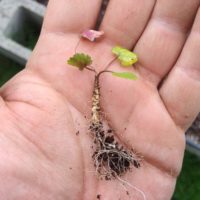
Seeds have a good germination rate, but are slow to get started. Give it two months – some will germinate in a week, others after you are sure there is no hope. A soil temperature of 70-80 degrees seems to be optimal, so if you are going to direct sow, don’t start them too early. Skirret will also happily transplant, so if you start them inside about 60 days before your last frost, you can have seedlings ready to go. Once you have a plant, you can propagate it vegetatively with ease, although this is another uncommon plant that would really benefit from some more enthusiasts growing it from seed on a regular basis.
If you plan to store your skirret seed for more than one year, it would be best to keep it in the refrigerator. Like many plants in the Apiaceae, the germination rate of skirret seeds drops off pretty steeply after one year. I still get reasonable germination from five year old seed that has been stored in the refrigerator.
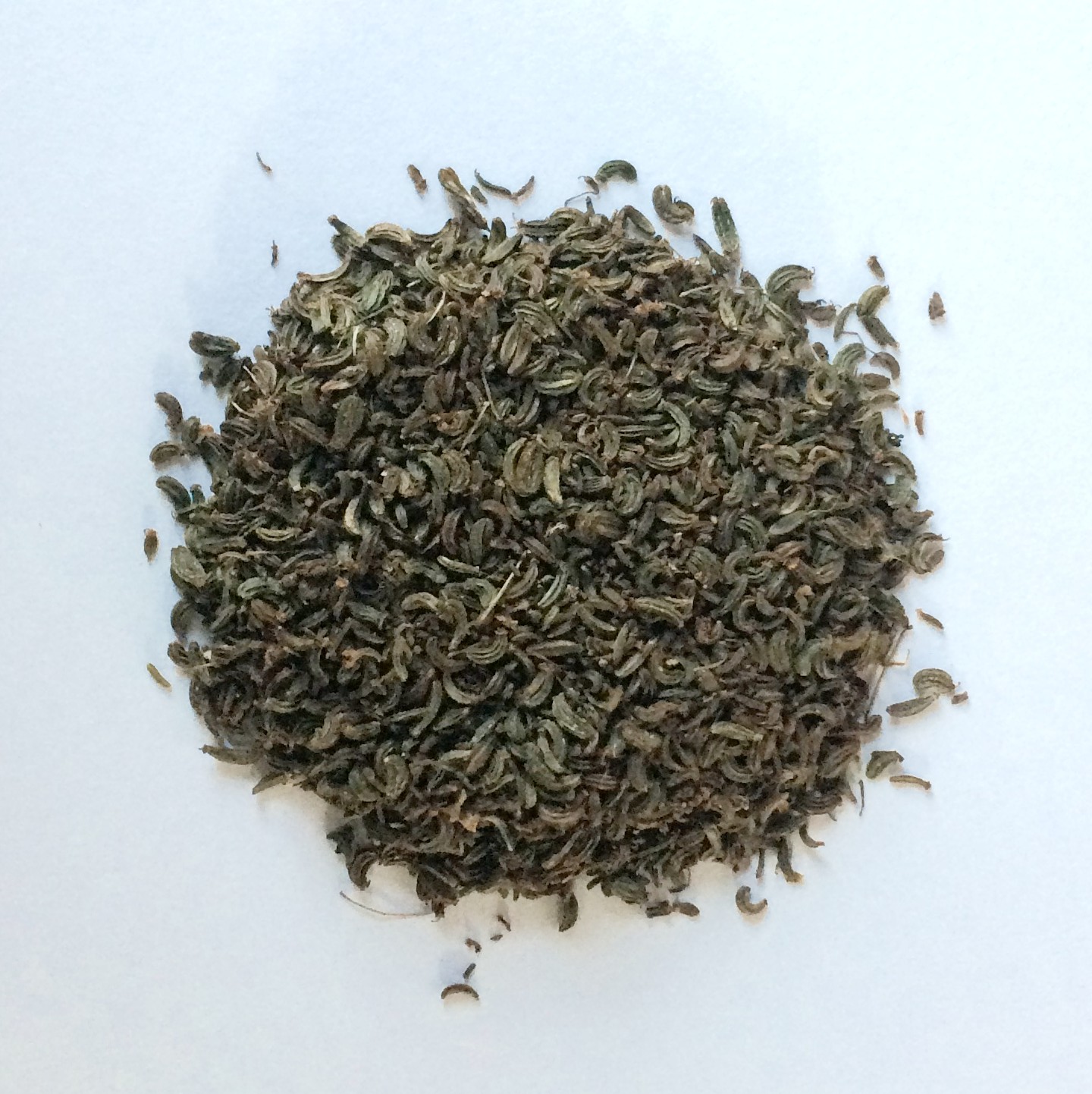
Because the seeds do not mature uniformly, I get a mix of maturities at harvest. Seed packets are weighed to contain 100 mature seeds, but they will typically contain another half a hundred or more immature seeds, many of which are capable of germinating, although they will typically take longer and produce smaller seedlings.
| Weight | 0.01 lbs |
|---|---|
| Dimensions | 3 × 3 × 0.1 in |
| Climate | Hot Humid Continental (Midwest), Marine West Coast (PNW), Mediterranean (CA), Semiarid (Inland West), Warm Humid Continental (NE/Canada) |
| True Breeding | |
| Origin | |
| Licensing | |
| Availability |
Only logged in customers who have purchased this product may leave a review.
Reviews
There are no reviews yet.