Author Archives: bill

Potato: What You Should Know About Potato Fruits

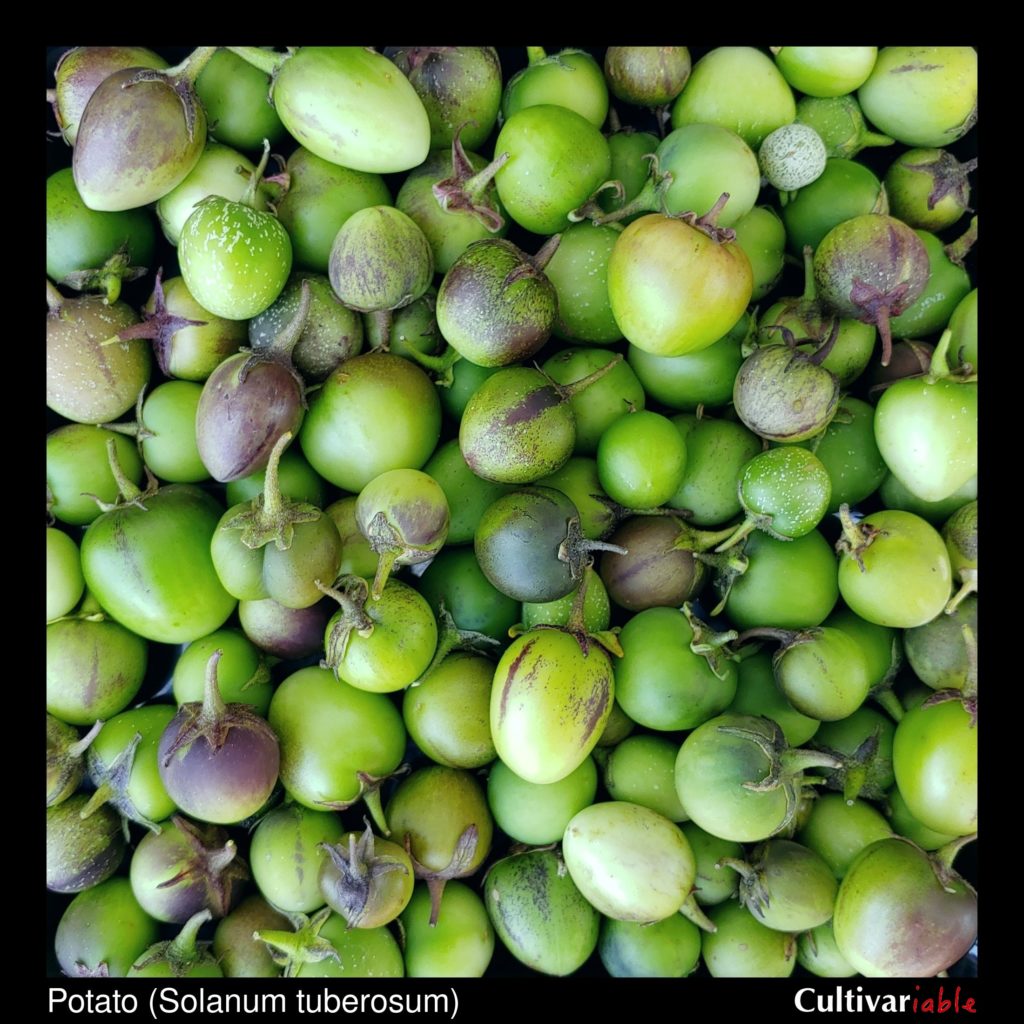
Berries collected from domesticated potatoes

Overview Potato plants sometimes flower and then form berries. Potato berries form only in favorable weather and with sufficient pollination. Potato berries contain seeds that you can grow. The berries are toxic and should not be eaten. There is not usually any reason to remove the berries from the plant. Seeds from berries that fall […]
Potato: Color Genetics

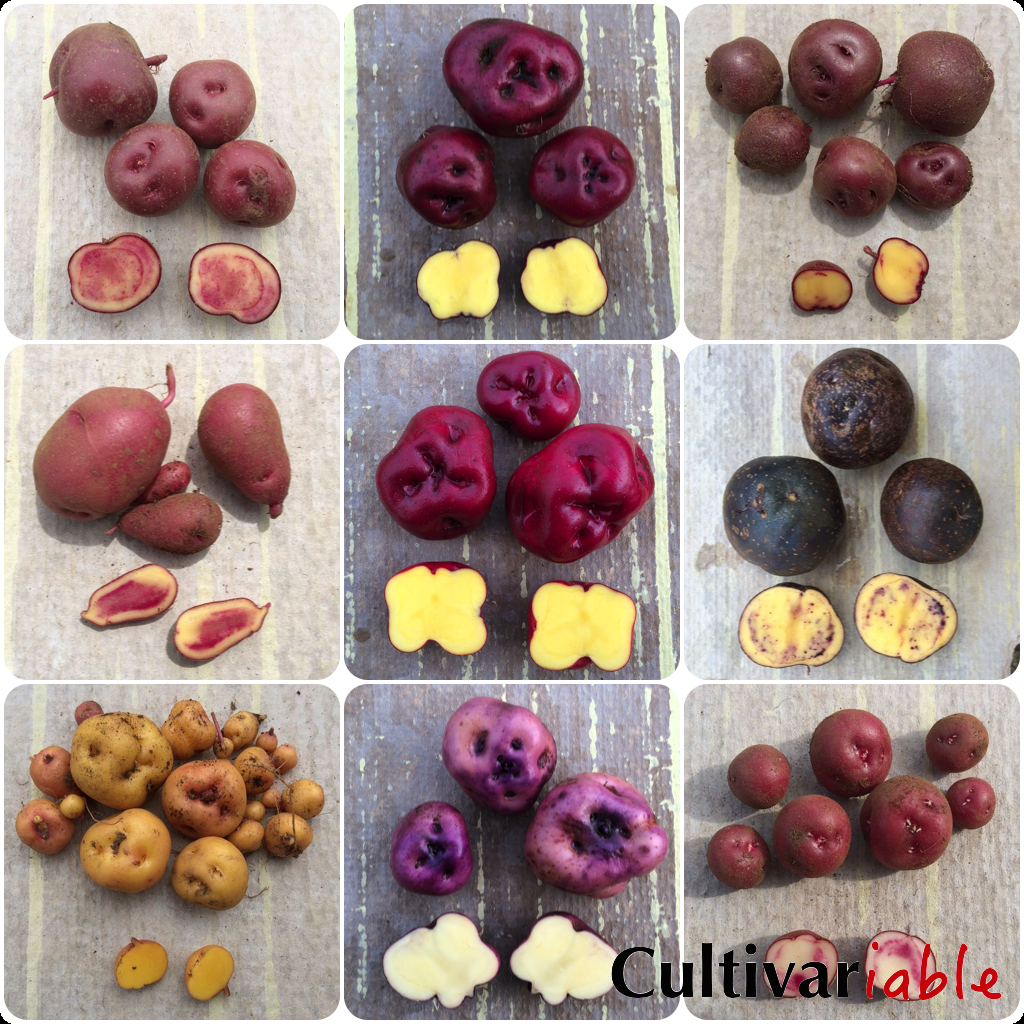
A Summary of Potato Color Genetics Introduction Genes Controlling Color Pigments   Purple and Red   Yellow and Orange Color Distribution   Flower Color   Foliage Color Russeting Known Genotypes Introduction For many crops, you don’t have to search very far to find a nice summary chart of the major genes involved in economically important […]

Potato: A Summary of Wild Species and Their Qualities

This page is out of date, although I still find it useful for looking up synonyms and abbreviations.  For more detailed information about wild potato species, see our wild potato guide. This is one of those posts that is as much for my reference as anyone else’s.  Surprisingly, it is hard to find a simple […]

Potato Ploidy and Endosperm Balance Number

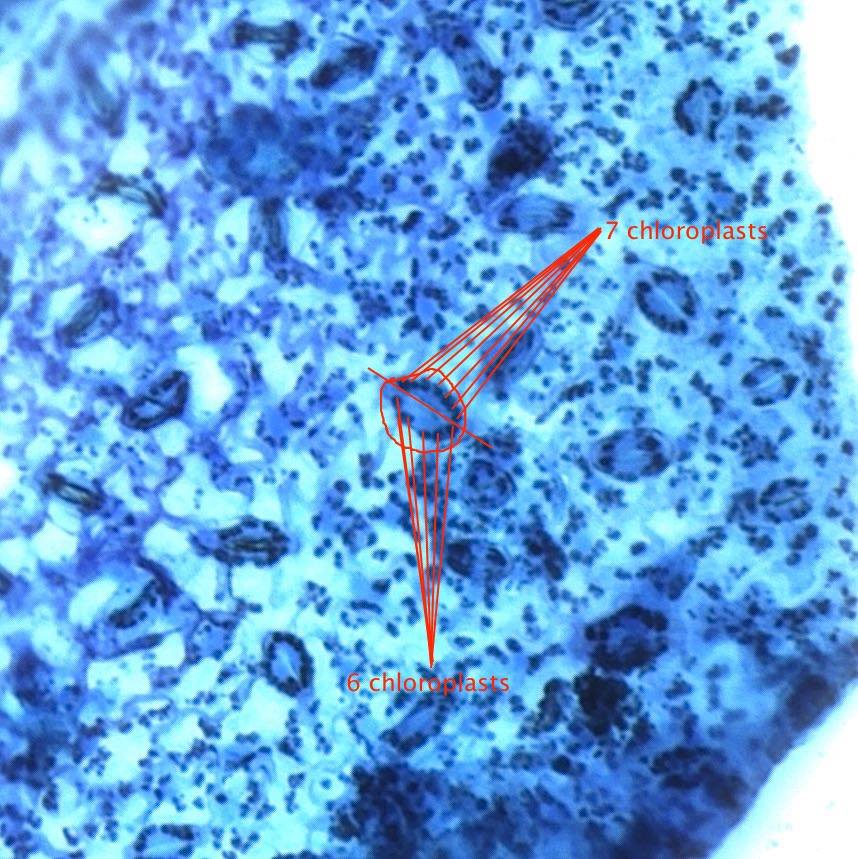
A micrograph showing two potato guard cells comprising a stomatum. The chloroplasts in each guard cell are marked. Six are present in one and seven in the other.

Introduction How Seeds are Formed Domesticated and Wild Potatoes Ploidy Monoploid and Haploid Numbers Haploids Interactions of Ploidy in Crosses Unreduced (2n) Gametes Endosperm Ratio Endosperm Balance Number The Potato Gene Pool Triploid Domesticated Potatoes The Genetics of EBN Manipulating Ploidy A Final Note on Probability Determining Ploidy Morphological Evalutation Guard Cell Counts Chromosome Counts […]

Mashua: Seed Maturity and Germination

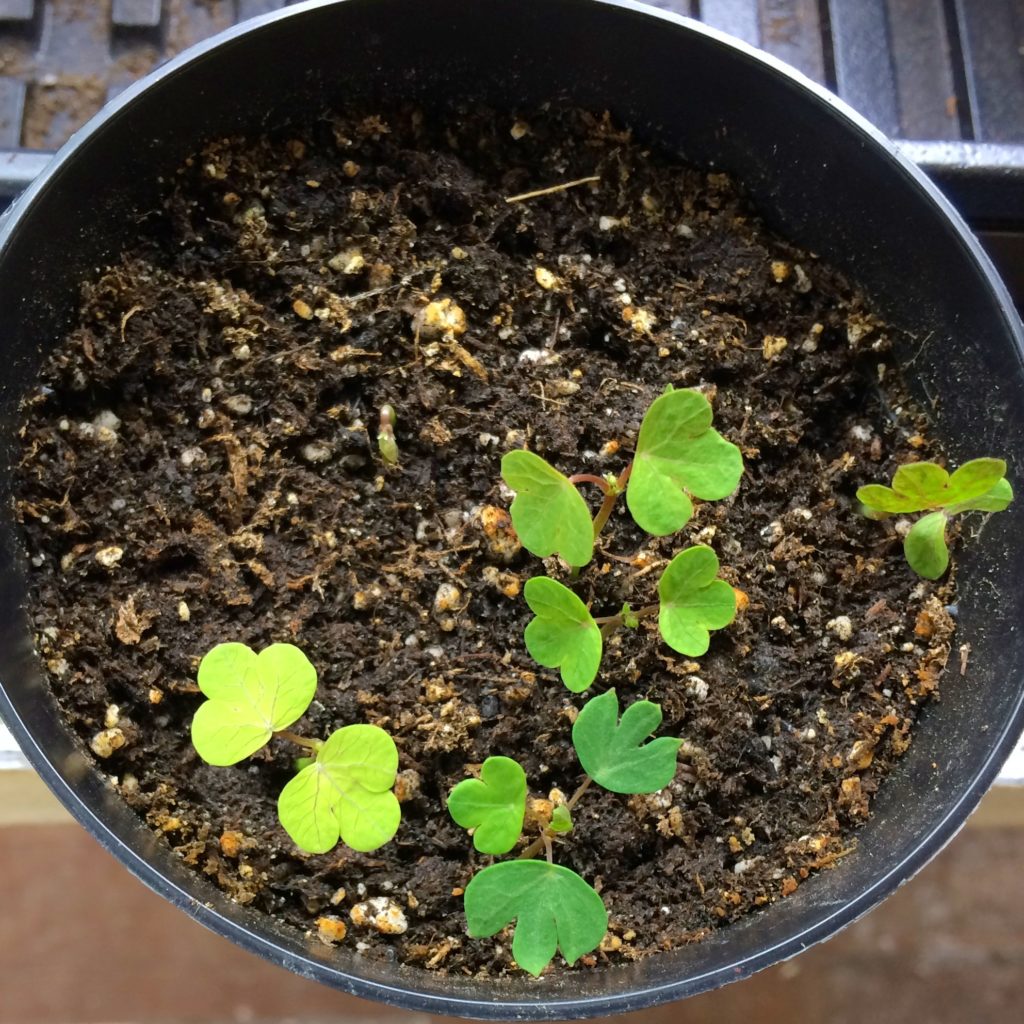
In theory, mashua is easier to breed than many of the other Andean roots and tubers.  It has no incompatibility mechanisms, it self-pollinates easily, and most varieties flower abundantly and set lots of seed in a sufficiently long growing season.  The flowers are large and easy to emasculate in order to make crosses.  The only […]

Yacon: Flower Diversity in Seedlings

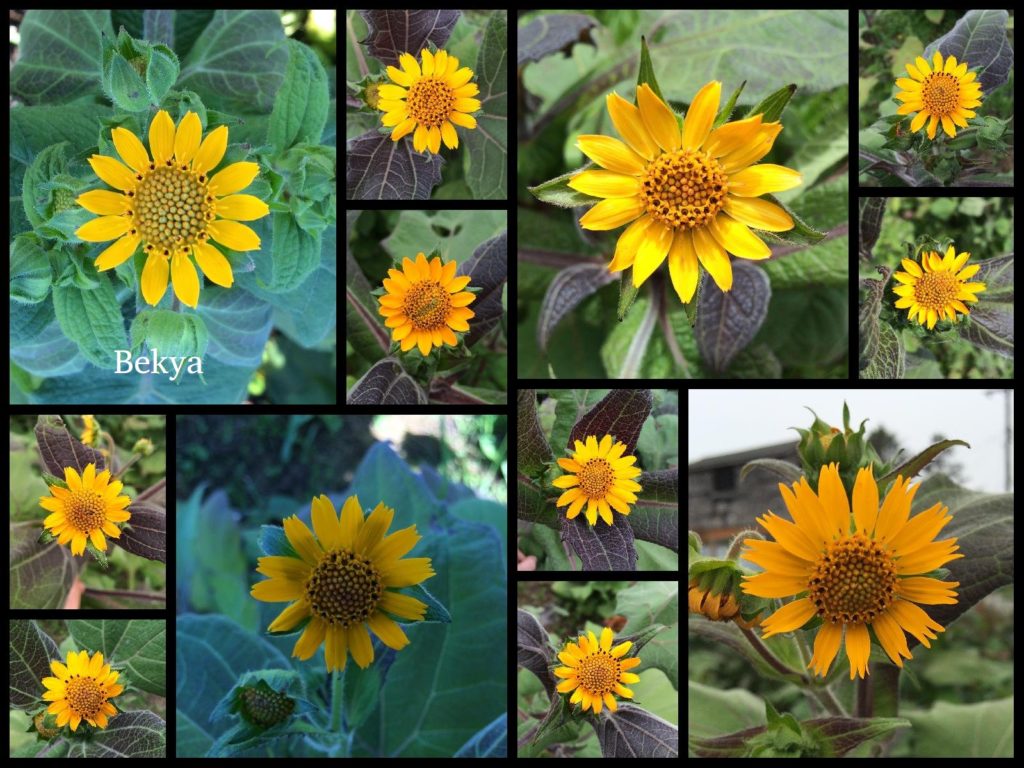
If you have been following the blog, you know that we were lucky enough to get more than 130 yacon seedlings this year, from seed collected from four varieties last year.  Very few people have grown yacon from seed, so we didn’t really know what to expect and we still won’t be able to get […]

About My Potato Breeding Projects

Because we sell excess seed from my potato breeding projects, we get a lot of questions about what my goals are.  Those goals are sometimes hard to articulate because I haven’t thought through them as clearly as I have done for the other plants that I work with.  My work with potatoes goes back before […]

Yacon: Seedling Progress

Yacon plant variety OC-16-1Ux02x08

Last year, we grew two new yacon varieties from seed and also collected more than 1000 yacon seeds.  This year, after starting seeds in November, we have 132 yacon seedlings.  Because yacon is polyploid and an obligate outcrosser, each one of those seedlings will be a new variety.  That is, each variety must be pollinated […]

Ahipa: Getting to the root of beans

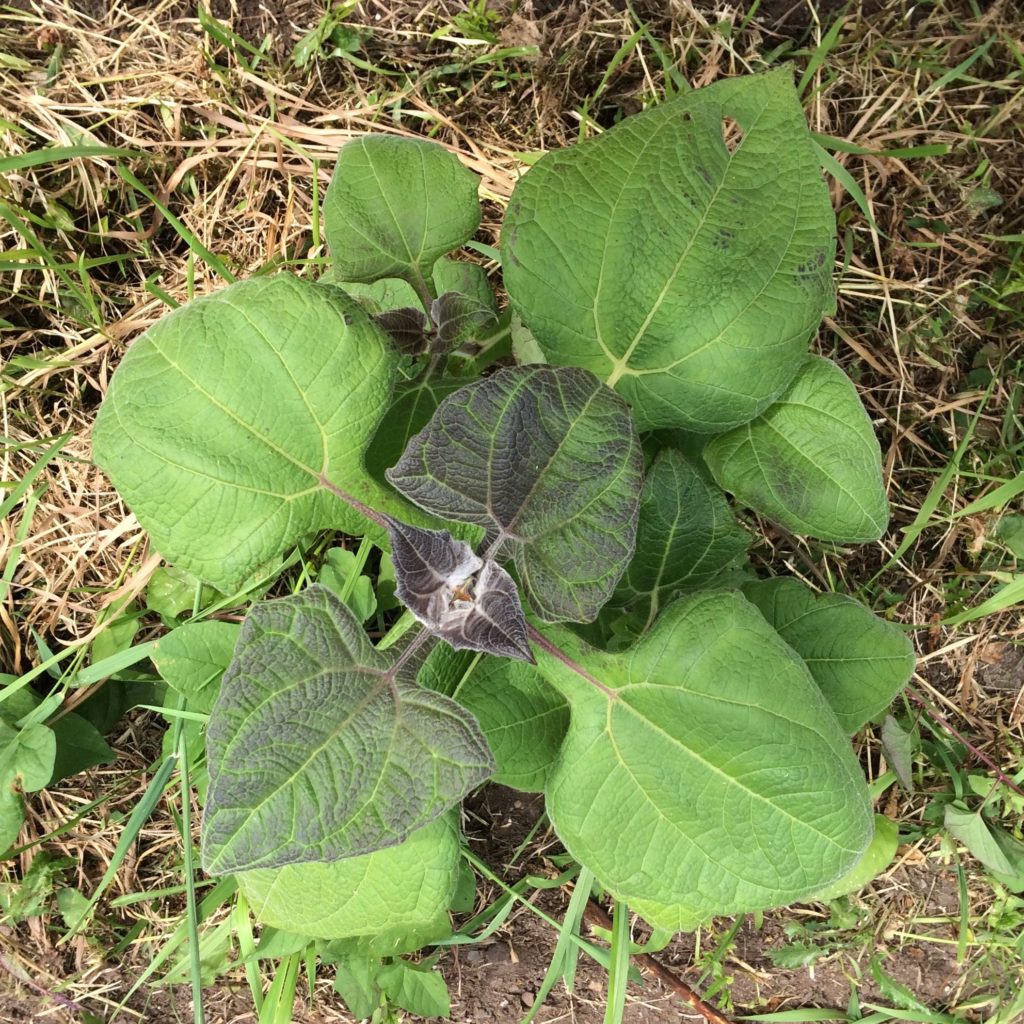
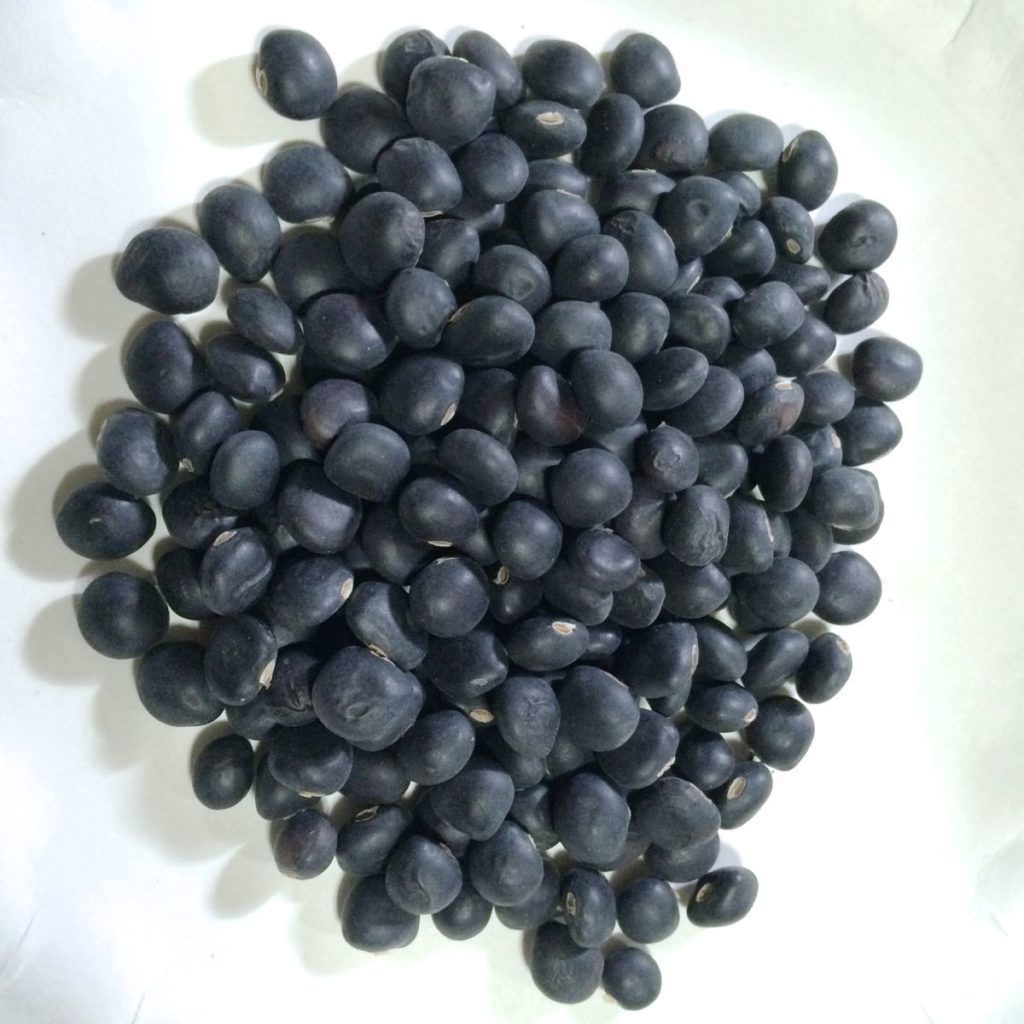
Ahipa (Pachyrhizus ahipa) 'Tarija' seeds

Ahipa (Pachyrhizus ahipa) is one of a few varieties of bean that have been bred for their roots, rather than for their seeds (the beans).  It produces a storage root that tops out at about 2 pounds in its native region in Bolivia.  The root is used similarly to yacon: more like a fruit than […]