
Skip to content
CultivariableCultivariable
  • Login
  • Cart / $0.00 0
    • No products in the cart.

      Return to shop

  • 0
    Cart

    No products in the cart.

    Return to shop

  • Home
  • About
    • Status
    • Contact
    • Communications
    • Open Source
    • Attribution
    • Paper Catalog
  • Ordering
    • Product Availability
    • Payment
    • Shipping
    • State and International Restrictions
    • Guarantee
    • Privacy
  • Growing Guide
    • Andean Roots & Tubers
      • Mashua (Tropaeolum tuberosum)
      • Mauka (Mirabilis expansa)
      • Oca (Oxalis tuberosa)
      • Ulluco (Ullucus tuberosus)
      • Yacon (Smallanthus sonchifolius)
    • Potatoes
      • True Potato Seeds (TPS)
      • Andean Potatoes (Solanum tuberosum group andigenum)
      • Wild Potatoes (Solanum section Petota)
    • Other Vegetables
      • Edible Dahlia (Dahlia spp.)
      • Jerusalem Artichoke (Helianthus tuberosus)
      • Root Chervil (Chaerophyllum bulbosum)
      • Sea Kale and Other Crambes
      • Skirret (Sium sisarum)
  • My Account
    • Create Account
    • Manage Account
    • Cart
    • Checkout
    • Password Recovery
    • Logout
  • Blog
  • Forum
Home / Potato (Solanum tuberosum) and Relatives / Domesticated Potatoes
  • Seedlings of the Cultivariable original potato variety 'Calawah'
Recent Blog Posts
  • 09
    Jul
    2025 Business Update Comments Off on 2025 Business Update
  • 09
    Nov
    Shipping seeds to Canada again
  • 28
    Jul
    Rotting Potato Gas Dangers: Myth or Reality? 5 Comments
  • 18
    Jul
    Potato Flowers 2022 (Part 1?) 2 Comments
  • 02
    Jul
    Potato Morphology Part 1: Sprouts 1 Comment
  • 19
    Apr
    Tissue Culture Plantlets, A New Class of Product 7 Comments
  • 17
    Feb
    Why you might not receive our emails (and what to do)
  • 16
    Jan
    Should You Grow Potatoes Purchased at the Grocery Store? 5 Comments
  • 05
    Jan
    The Big Freeze 11 Comments
  • 20
    Dec
    Risks of Cross Pollination by GMO Potatoes 6 Comments
Archives
  • July 2025 (1)
  • November 2024 (1)
  • July 2022 (3)
  • April 2022 (1)
  • February 2022 (1)
  • January 2022 (2)
  • December 2021 (2)
  • October 2021 (1)
  • July 2021 (1)
  • March 2021 (1)
  • February 2021 (2)
  • October 2020 (2)
  • September 2020 (1)
  • August 2020 (2)
  • July 2020 (2)
  • May 2020 (1)
  • April 2020 (1)
  • March 2020 (2)
  • February 2020 (5)
  • January 2020 (3)
  • October 2019 (1)
  • July 2019 (1)
  • June 2019 (1)
  • March 2019 (2)
  • February 2019 (2)
  • October 2018 (2)
  • July 2018 (3)
  • June 2018 (2)
  • May 2018 (1)
  • April 2018 (5)
  • March 2018 (3)
  • February 2018 (1)
  • January 2018 (1)
  • December 2017 (3)
  • November 2017 (1)
  • October 2017 (2)
  • September 2017 (1)
  • August 2017 (1)
  • July 2017 (3)
  • April 2017 (2)
  • March 2017 (1)
  • February 2017 (1)
  • November 2016 (1)
  • August 2016 (1)
  • July 2016 (1)
  • June 2016 (1)
  • February 2016 (1)
  • December 2015 (2)
  • October 2015 (1)
  • September 2015 (2)
  • August 2015 (2)
  • July 2015 (2)
  • June 2015 (2)
  • May 2015 (2)
  • April 2015 (3)
  • March 2015 (4)
  • February 2015 (2)
  • January 2015 (2)
  • December 2014 (3)
  • November 2014 (1)
  • September 2014 (2)
  • August 2014 (1)
  • July 2014 (3)
  • April 2014 (1)
  • March 2014 (2)
  • February 2014 (1)
  • January 2014 (1)
  • December 2013 (2)
  • November 2013 (5)
  • October 2013 (9)
  • September 2013 (6)
  • August 2013 (5)
  • July 2013 (10)
  • June 2013 (7)
  • April 2013 (3)
  • March 2013 (2)
Blog categories
  • achira (Canna edulis) (1)
  • achocha (Cyclanthera pedata) (2)
  • ahipa (Pachyrhizus ahipa) (2)
  • andean potato (Solanum tuberosum subsp. andigenum) (1)
  • arracacha (Arracacia xanthorrhiza) (3)
  • bees (1)
  • bitter melon (Momordica charantia) (1)
  • Blog (151)
  • breeding (25)
  • camas (Camassia quamash) (1)
  • climate (1)
  • Cultivariable (1)
  • diseases (1)
  • flowers (9)
  • frost (1)
  • genetics (5)
  • harvest (3)
  • Jerusalem artichoke (Helianthus tuberosus) (1)
  • large camas (Camassia leichtlinii) (1)
  • maca (Lepidium meyenii) (3)
  • mashua (Tropaeolum tuberosum) (10)
  • mauka (Mirabilis expansa) (4)
  • microscopy (2)
  • Newsletter (2)
  • oca (Oxalis tuberosa) (43)
  • open source (1)
  • perennial brassicas (1)
  • pests (1)
  • Podcast (9)
  • pollinators (2)
  • potato (Solanum tuberosum) (45)
  • Reviews (89)
  • sea kale (Crambe maritima) (3)
  • seed saving (3)
  • seed starting (1)
  • skirret (Sium sisarum) (1)
  • tartar bread plant (Crambe tataria) (1)
  • tree collards (Brassica oleracea) (1)
  • trials (1)
  • true oca seed (8)
  • true potato seed (TPS) (5)
  • true ulluco seed (4)
  • ulluco (Ullucus tuberosus) (25)
  • Uncategorized (1)
  • yacon (Smallanthus sonchifolius) (11)
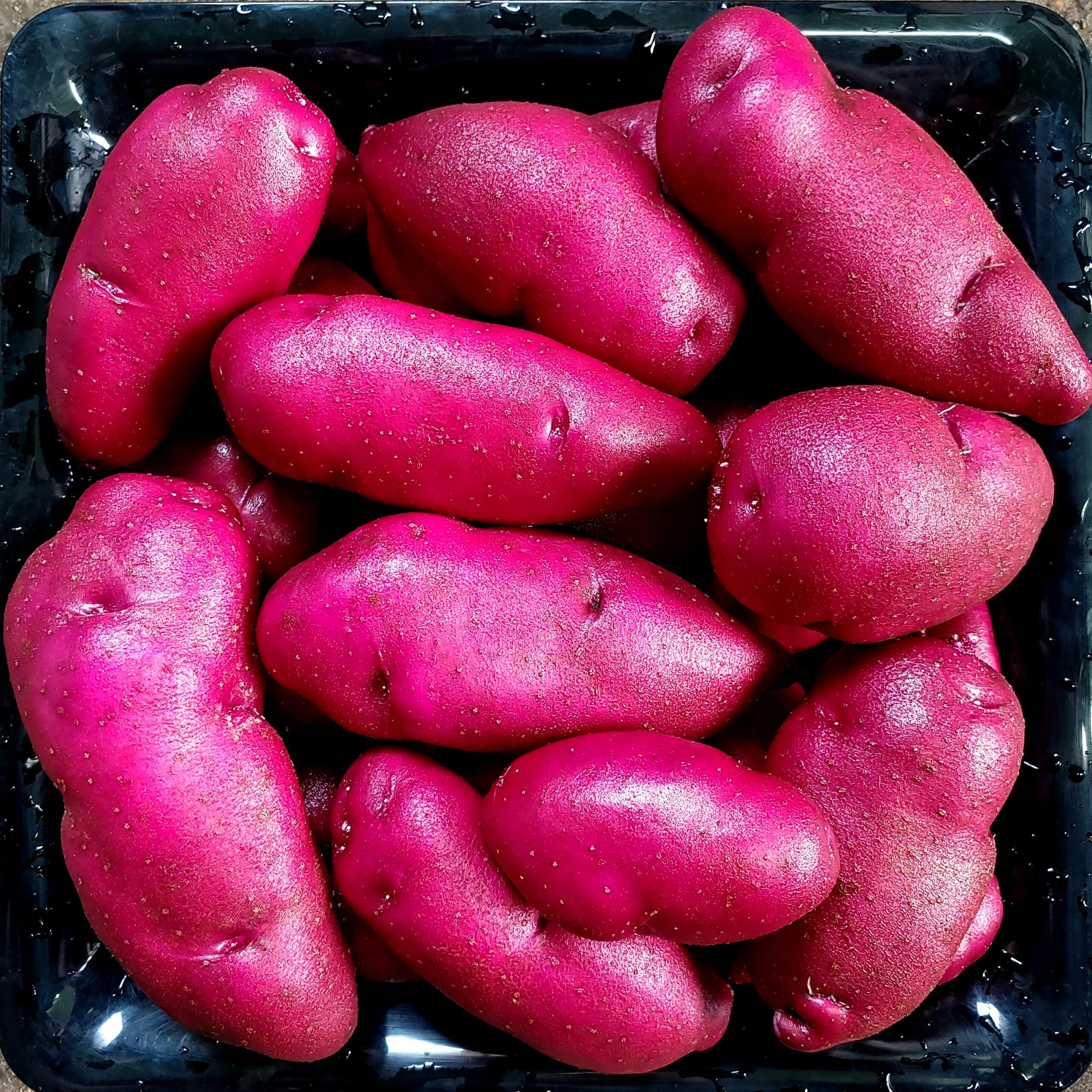
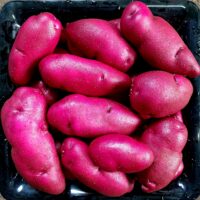
Tubers of the Cultivariable original potato variety 'Loowit'
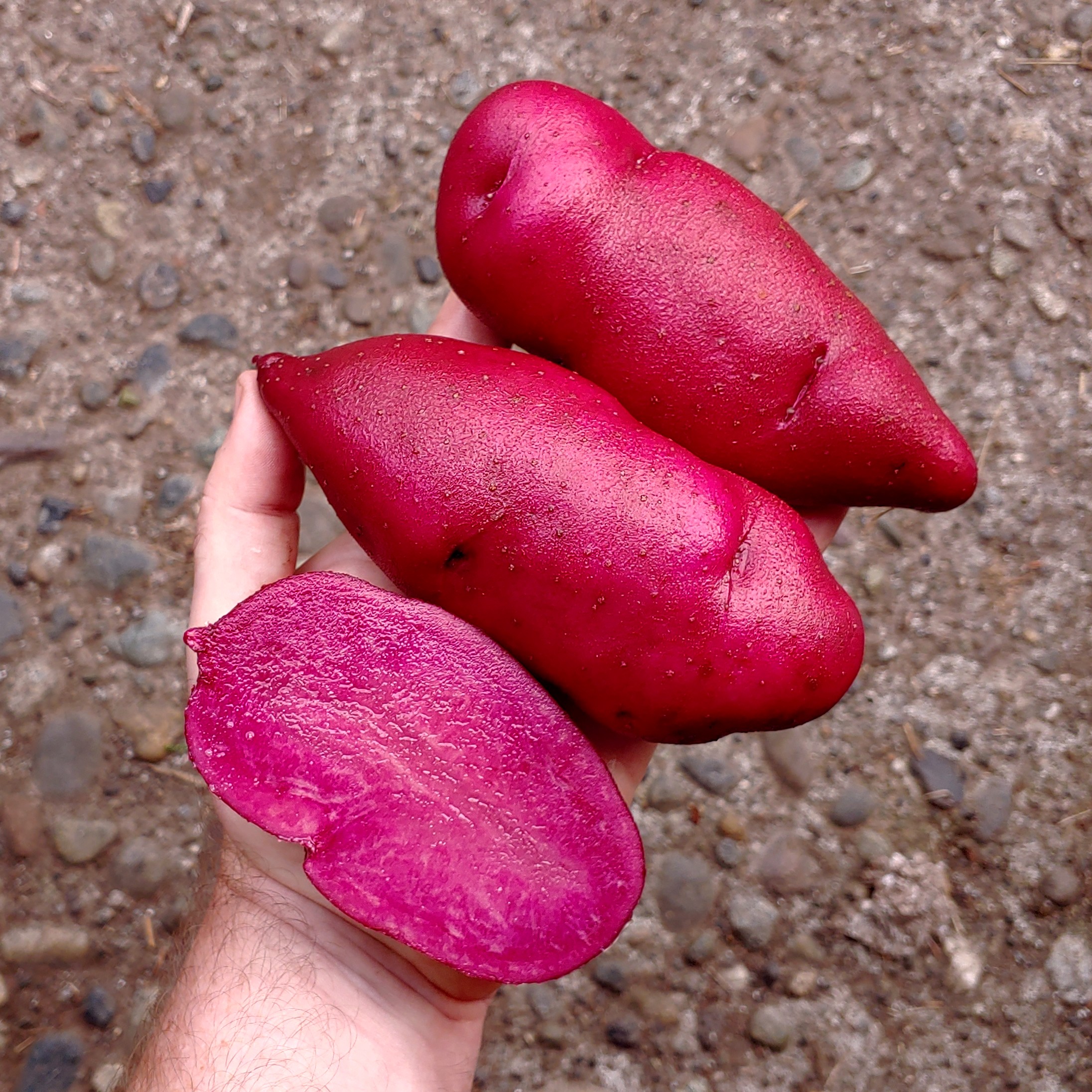
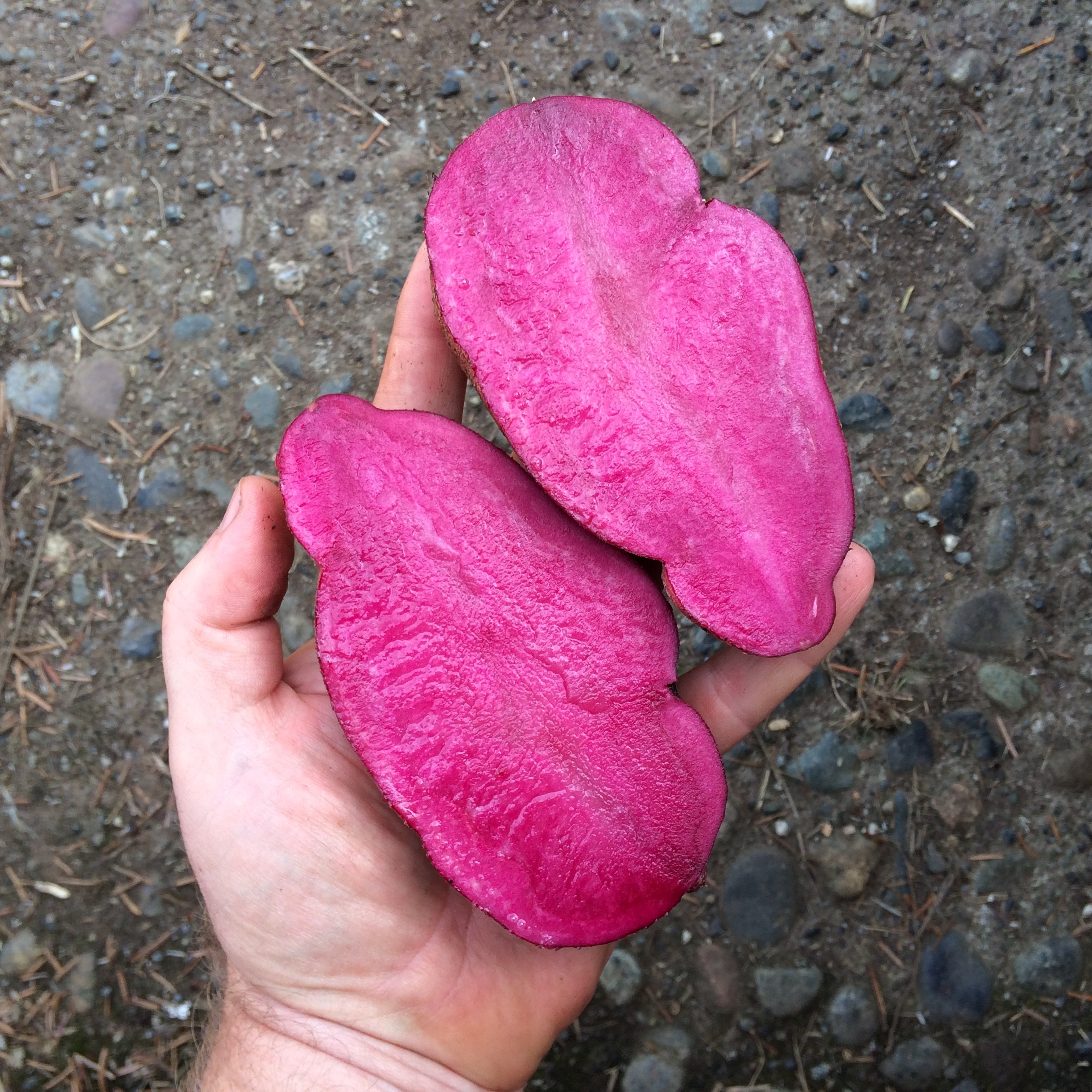
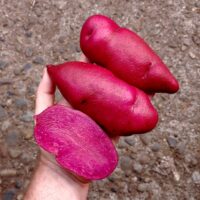
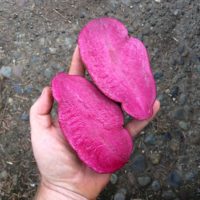
A large tuber of Loowit is cut in half, exposing deep red flesh
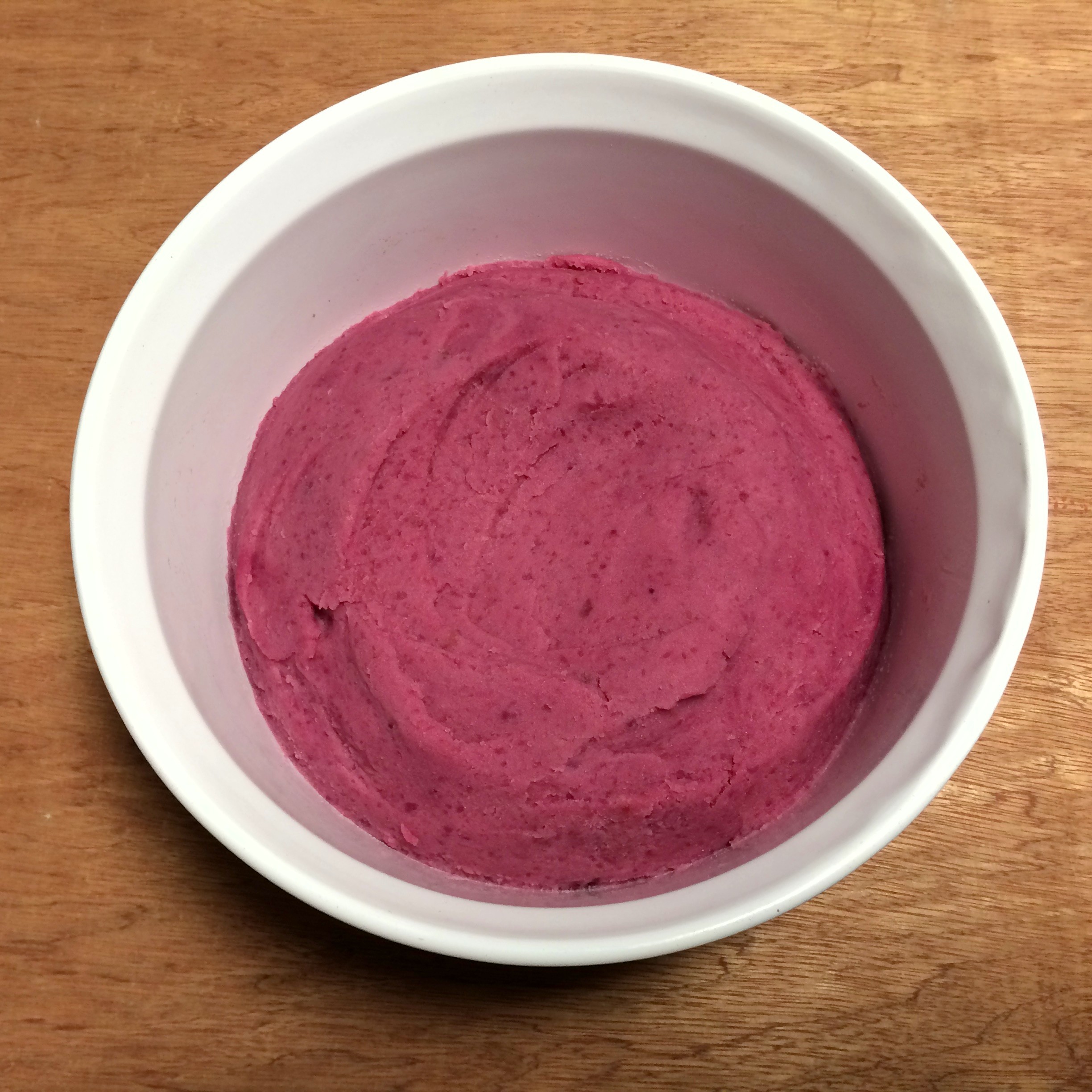
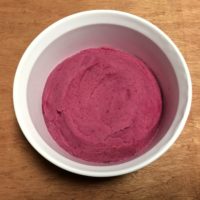
A bowl of mashed potato made from the variety Loowit. The potato looks like raspberry ice cream due to the high content of red pigments.
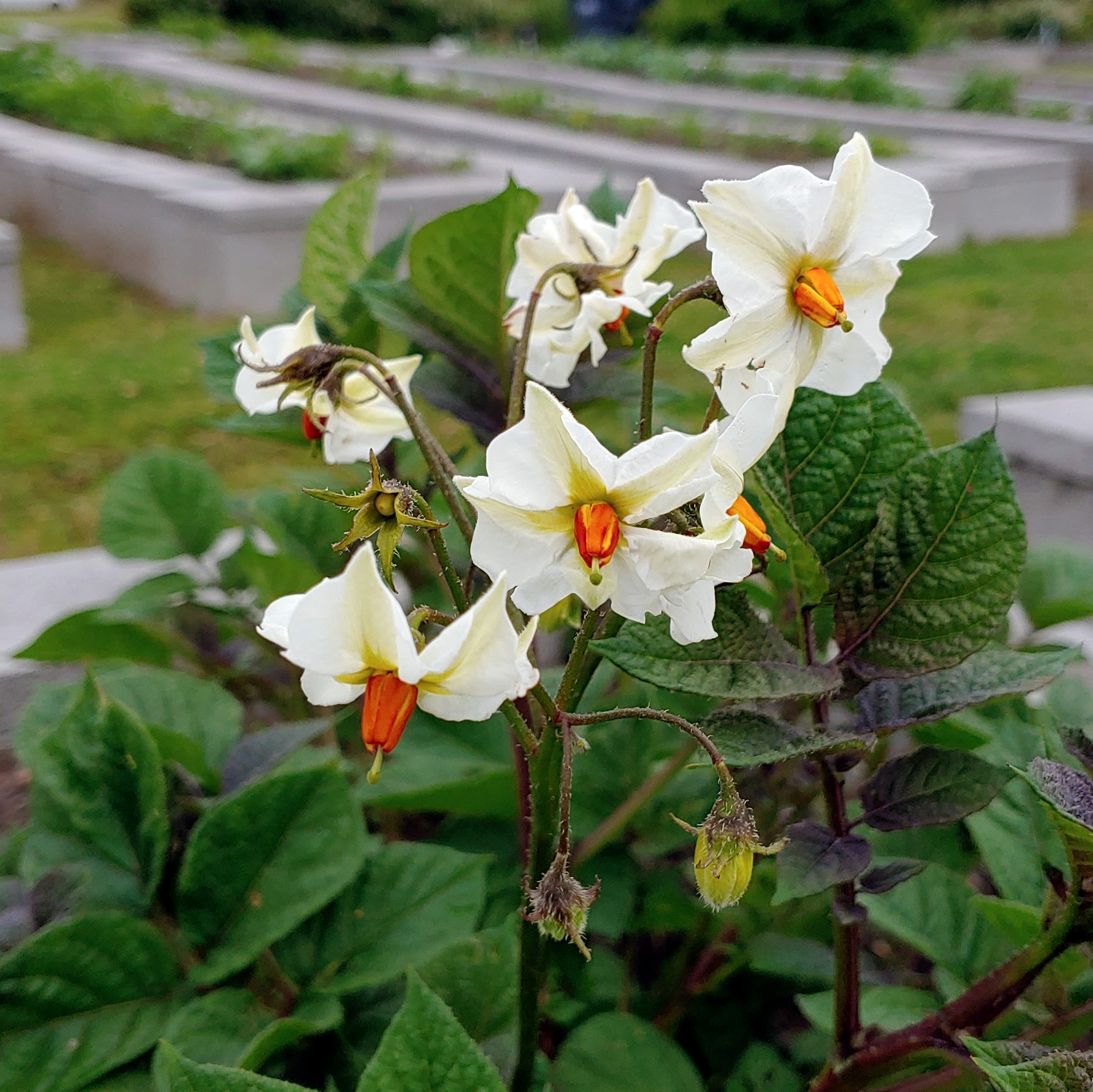
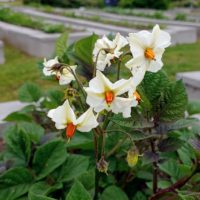
Flowers of the Cultivariable original potato variety 'Loowit'
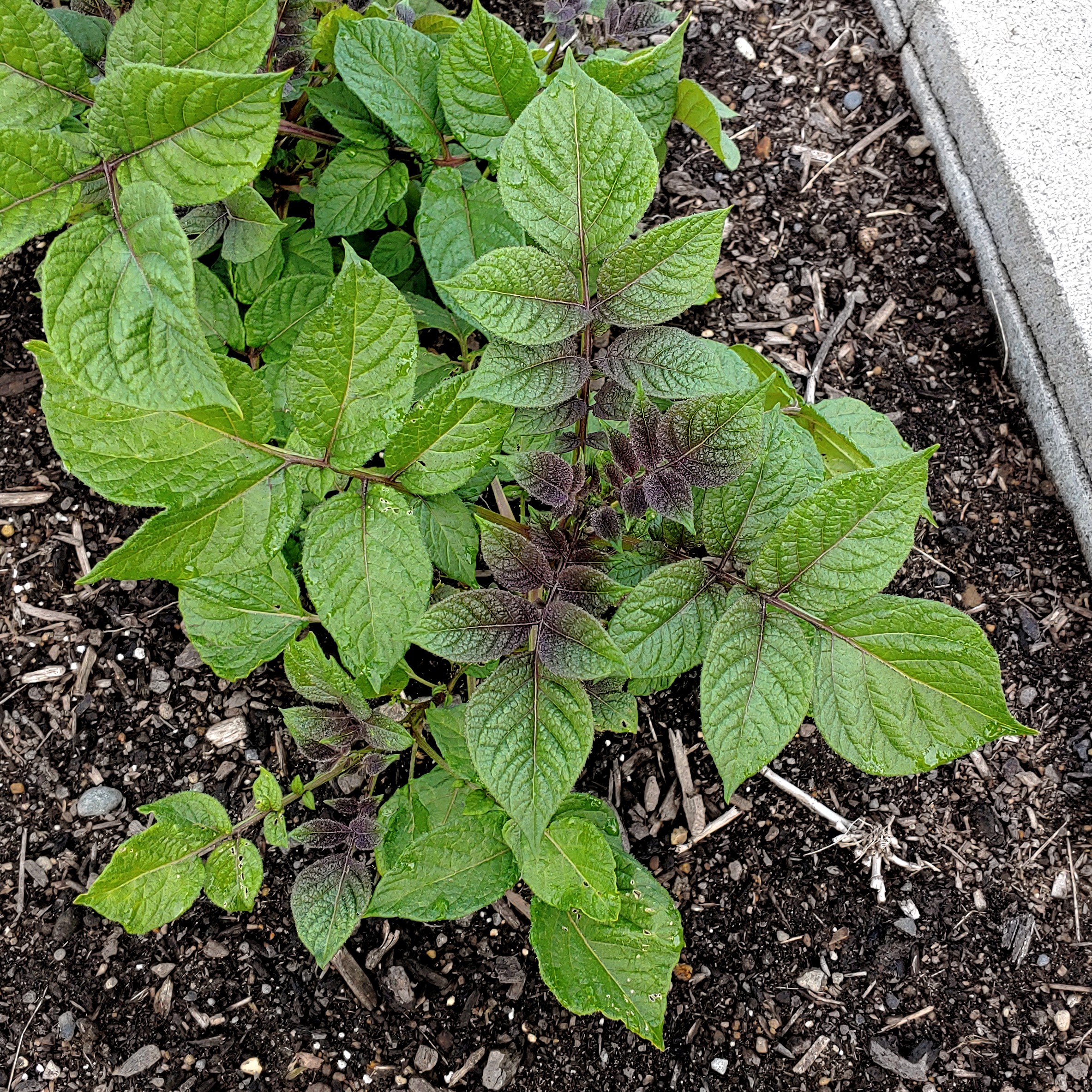
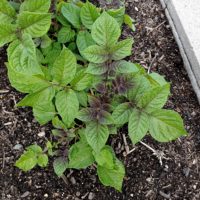
Foliage of the Cultivariable original potato (Solanum tuberosum) variety 'Loowit'
Tubers of the Cultivariable original potato variety 'Loowit'
A large tuber of Loowit is cut in half, exposing deep red flesh
A bowl of mashed potato made from the variety Loowit. The potato looks like raspberry ice cream due to the high content of red pigments.
Flowers of the Cultivariable original potato variety 'Loowit'
Foliage of the Cultivariable original potato (Solanum tuberosum) variety 'Loowit'

True Potato Seeds (TPS), Loowit, 100 seeds

$8.50

Out of stock

Category: Domesticated Potatoes Tags: Beginner TPS, Cultivariable original potato, Early to mid maturity potato, High dormancy potato, Male fertile potato, Red flesh potato, Red skin potato, Roots & Tubers, Self fertile potato, Tetraploid potato
  • Description
  • Reviews (0)
True potato seed information and growing instructions
This is an OSSI open source variety. Click for more information about open source seeds

Loowit is the result of a breeding project in collaboration with Tom Wagner, produced by crossing Tom’s variety Mt. St. Helens and a Bolivian diploid potato.  This is a good all-purpose potato with intense red flesh.  In cool climates, the flesh should look just like the pictures.  In hotter climates, the color may be more pink or pink with light yellow patches.  This is not a problem particular to this variety, but is true of all potatoes with red or blue flesh; anthocyanin content is affected by temperature.  Red flesh in potatoes is produced by the compound pelargonidin, an anthocyanin that has antioxidant properties and is found in many red fruits, such as raspberries, strawberries, and pomegranates.  The name Loowit was chosen as part of a theme of place names in Western Washingon.

Germplasm supplied by the USDA Potato Introduction Station was used in breeding this variety.

Culinary Traits

Loowit is most suitable for baking and roasting.  It can also be boiled, but like a lot of all-purpose types, you must avoid extended boiling or it will fall apart.  It holds its color very well when baked or roasted, but washes out a bit when boiled.  Still, it makes some really incredible looking mashed potatoes.  Like many potatoes with dark blue or red flesh, it has a fairly intense flavor, with a hint of bitterness.  Most people do not detect this as bitterness, but just describe it as “potato” flavor, but people who are very sensitive to bitter flavors might not like it.  I think it has great flavor, but I tend to favor varieties that have some bitterness.

Agronomic Traits

This is a late season potato.  I previously described it as mid season, but this turned out to be the result of being infected with PVY.  Tubers are mostly in the three to six inch range at maturity.  Yields here range 2 to 3 pounds per plant.  Dormancy is about three months, a bit less than most commercial potatoes, probably owing to its diploid parent.  With low temperature storage, you can easily keep seed tubers alive (although sprouting) out to five months.  Flowers are male fertile but produce very little pollen.  It will set a better crop of berries if you vibrate the flowers or pollinate with another variety.  The good news is that progeny of Loowit, even when selfed, tend to be much better pollen producers.

This variety has performed well here against early and late blight.  It is fairly vulnerable to scab, so if you have ground that is scabby, it is probably not the best choice.

Fertility:  MF2, FF10

True Seed (TPS)

TPS of Loowit is open pollinated and the majority of the progeny should be self pollinated.  I also pollinated it regularly with bulk pollen from red flesh varieties, blue flesh varieties, and Solanum curtilobum.  I expect to see red flesh, blue flesh, and a smaller amount of white flesh in the progeny.  Using Solanum curtilobum as a pollinator means that some of the plants will probably have unusual forms and there is a greater than usual (but still small) chance for bitter tubers from this seed.

Reviews

There are no reviews yet.

Only logged in customers who have purchased this product may leave a review.

Copyright 2025 © Flatsome Theme
  • Home
  • About
    • Status
    • Contact
    • Communications
    • Open Source
    • Attribution
    • Paper Catalog
  • Ordering
    • Product Availability
    • Payment
    • Shipping
    • State and International Restrictions
    • Guarantee
    • Privacy
  • Growing Guide
    • Andean Roots & Tubers
      • Mashua (Tropaeolum tuberosum)
      • Mauka (Mirabilis expansa)
      • Oca (Oxalis tuberosa)
      • Ulluco (Ullucus tuberosus)
      • Yacon (Smallanthus sonchifolius)
    • Potatoes
      • True Potato Seeds (TPS)
      • Andean Potatoes (Solanum tuberosum group andigenum)
      • Wild Potatoes (Solanum section Petota)
    • Other Vegetables
      • Edible Dahlia (Dahlia spp.)
      • Jerusalem Artichoke (Helianthus tuberosus)
      • Root Chervil (Chaerophyllum bulbosum)
      • Sea Kale and Other Crambes
      • Skirret (Sium sisarum)
  • My Account
    • Create Account
    • Manage Account
    • Cart
    • Checkout
    • Password Recovery
    • Logout
  • Blog
  • Forum
  • Login
  • Newsletter

Login

Lost your password?